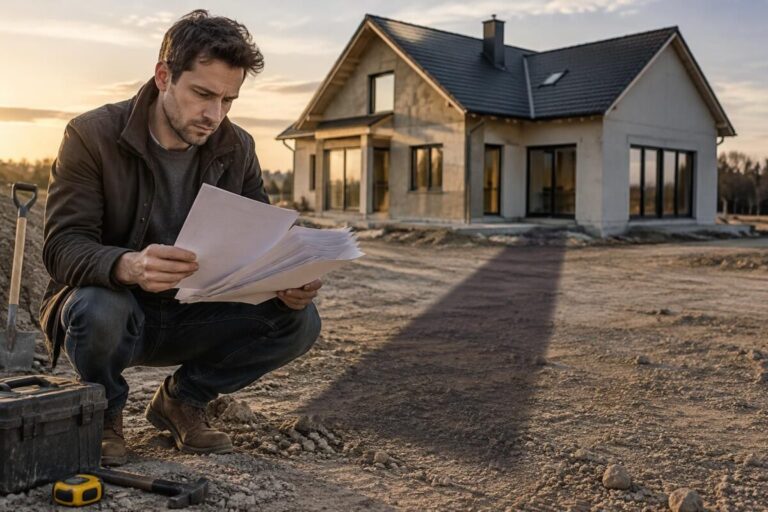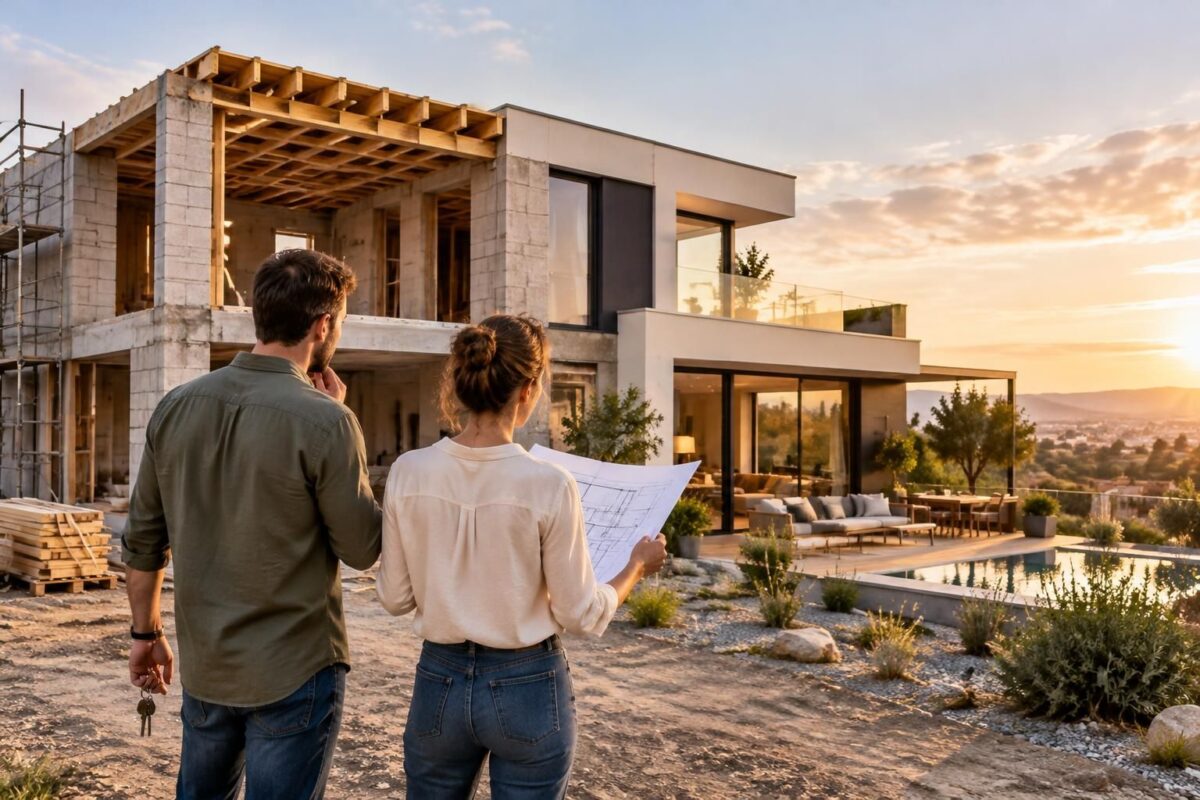
Investment: building to live in or already thinking about resale?
Hello, Lionel here.
If you’re building a home to live in, think about resale too, without sacrificing your family’s comfort.
A construction project is first and foremost a way to create a place that reflects who you are. But your needs, work or household composition may change: making a few functional choices today will make it easier to sell the property in the future.
What to do now
- Study the local market: look at the size, price and features of homes for sale near your lot.
- Set an overall budget: leave some room for unexpected construction costs and financing fees.
- Choose a flexible floor plan: plan for an extra bedroom, a work-from-home space or the option to divide rooms.
- Choose durable materials: insulation, windows and equipment affect both comfort and the property’s value.
- Limit highly personal choices: stick to colours and finishes that are easy to change.
This approach helps balance a primary residence with a real estate investment: the house meets your current needs while remaining easy for a future buyer to understand. For more information, read these tips on resale considerations when designing a home and on building a house to sell.
Building to live in or to sell: balancing two priorities
Building a home to live in lets you choose a layout that suits your day-to-day life. You might prefer an open-plan kitchen, a large living area or a garden designed with children in mind. The key is not to let these preferences make the home difficult to adapt.
Building with resale in mind means checking local demand before drawing up the plans. A home that is significantly larger than others in the neighbourhood may be expensive to build without easily finding a buyer. By contrast, bright rooms, reasonably sized bedrooms and a simple layout work for many households.
| Design choice | Benefit for the occupant | Resale benefit |
|---|---|---|
| Functional, flexible floor plan | Adapts to changing needs | Helps buyers picture themselves living there |
| High-performance insulation and equipment | Improves comfort and may reduce energy costs | Makes the home more appealing |
| Neutral, durable finishes | Avoids choices that quickly feel dated | Reduces the need for personalisation work |
| Size suited to the neighbourhood | Keeps the project cost under control | Fits with local demand |
The right balance doesn’t mean building an impersonal home. It means creating a home where personal touches are easy to change without requiring major work.
A real-life example to assess useful choices
Imagine Léa and Karim, who are having a home built for their family in an area where most homes have three bedrooms. They dream of a highly personalised recreation room, but instead choose a multipurpose room with a window, a comfortable ceiling height and well-placed power outlets.
They can use it as a playroom now, then as an office or spare bedroom. They also spend their budget on a well-designed thermal envelope rather than costly finishes that may not appeal to another household. This decision supports their comfort and the home’s future resale value, but it doesn’t guarantee a higher selling price: that will also depend on the market at the time of the sale.
Choices that stand the test of time
A comfortable bedroom, a good orientation for the living spaces and thoughtfully planned storage remain useful over the years. If you’re building a two-storey house, a bedroom or bathroom on the ground floor can also make the home more practical for people of different ages and in different circumstances.
Avoid relying on future renovations to fix a poorly designed floor plan. Planning for the possibility of an extension or a partition during the design stage can cost less than altering the structure later.
Pitfalls that can reduce resale value
A common mistake is to confuse personalisation with adding value. A highly distinctive façade, fragile materials or high-end equipment won’t automatically mean a better price. They may even reduce the number of interested buyers if replacing them seems costly.
Another pitfall is underestimating construction costs and timelines. A budget with no contingency may lead you to cut back on essential features such as insulation or the quality of the windows and doors. It’s better to adjust the floor area or postpone a decorative finish than to compromise the quality of the build.
Finally, a quick resale doesn’t guarantee a profit. Purchase costs, interest, renovation work and selling fees all reduce the return. For a property purchase intended for resale, rental yield isn’t the main criterion; instead, calculate the total cost and compare the realistic selling price with the expenses incurred.
Three steps to make a decision without losing sight of your project
- Define your timeline and needs. List what’s essential for your primary residence and what might change in five or ten years. A job move or changes in your household could affect when you sell.
- Check that the home fits the area. Compare the layouts, sizes and prices of nearby homes. A local professional can help you identify what buyers are looking for and which features might make the home harder to sell.
- Allocate your budget according to how you’ll use the home. Invest first in lasting comfort, energy efficiency and the quality of features that are difficult to replace. Reserve highly personal finishes for elements that are easy to change.
This approach turns your long-term financial strategy into practical decisions without making resale the project’s only guiding principle. A home that is enjoyable to live in, well designed and in keeping with its market leaves you with more options for the future.
Frequently asked questions about building and resale
Should you think about resale when building a home?
Yes, but don’t make it your absolute priority. A functional floor plan, durable materials and choices that are easy to adapt preserve options in case you decide to sell.
Which choices make a new home easier to sell?
A practical layout, bright rooms, good insulation and understated finishes can help buyers picture themselves living there. The local market remains a determining factor.
Does building a home to sell guarantee a profit?
No. The outcome depends on the price of the land, construction costs, fees, timelines and the market at the time of the sale. You should work out a complete budget before getting started.
Is a highly personalised home harder to sell?
It may appeal to some buyers, but reduce the number of people it suits. Neutral choices that are easy to change generally make it easier for buyers to picture themselves living there.
Thanks for reading! If this topic speaks to you, feel free to leave me a comment below the article. — Lionel