Urban Real Estate: Small Modern House or Impossible Parking?
Hello, Lionel here. If you’re hesitating between a small modern house and hard-to-find parking, start by comparing the total cost, day-to-day use, and local demand. In the city, a compact house can offer real comfort, while a well-located parking space is a lighter investment to manage. The right choice depends mainly on the site, urban mobility, and your budget.
Small modern house or parking: what to keep in mind before choosing
- Set your goal: a primary residence, rental income, or diversifying your assets.
- Calculate the full budget: purchase price, renovation work, notary fees, charges, and taxes.
- Check local rules: consult the PLU (local urban planning plan) and parking requirements before committing.
- Look at actual demand: visit the neighborhood at different times and check availability.
- Compare net returns: deduct charges, taxes, and any management fees.
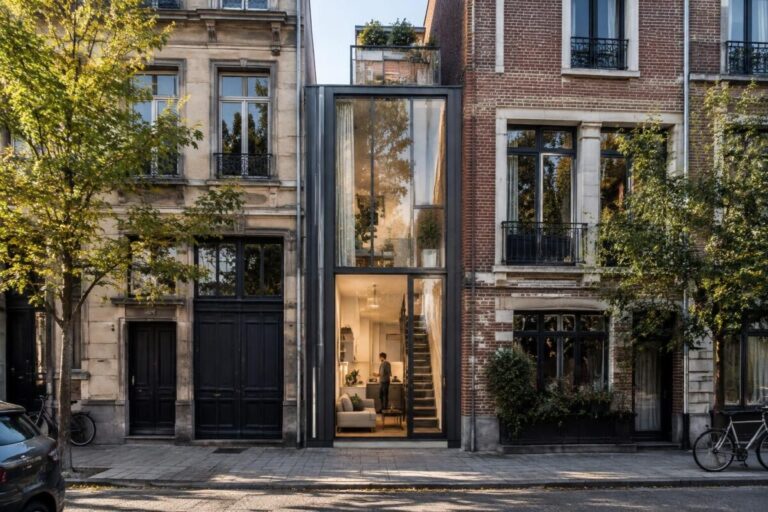
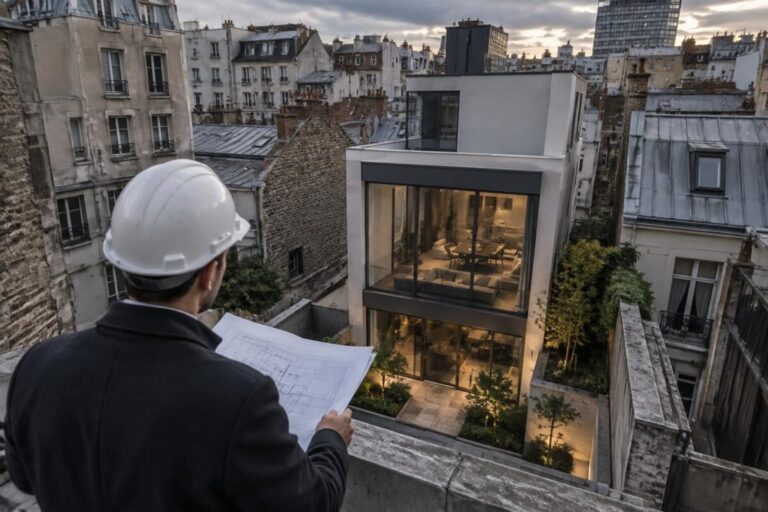
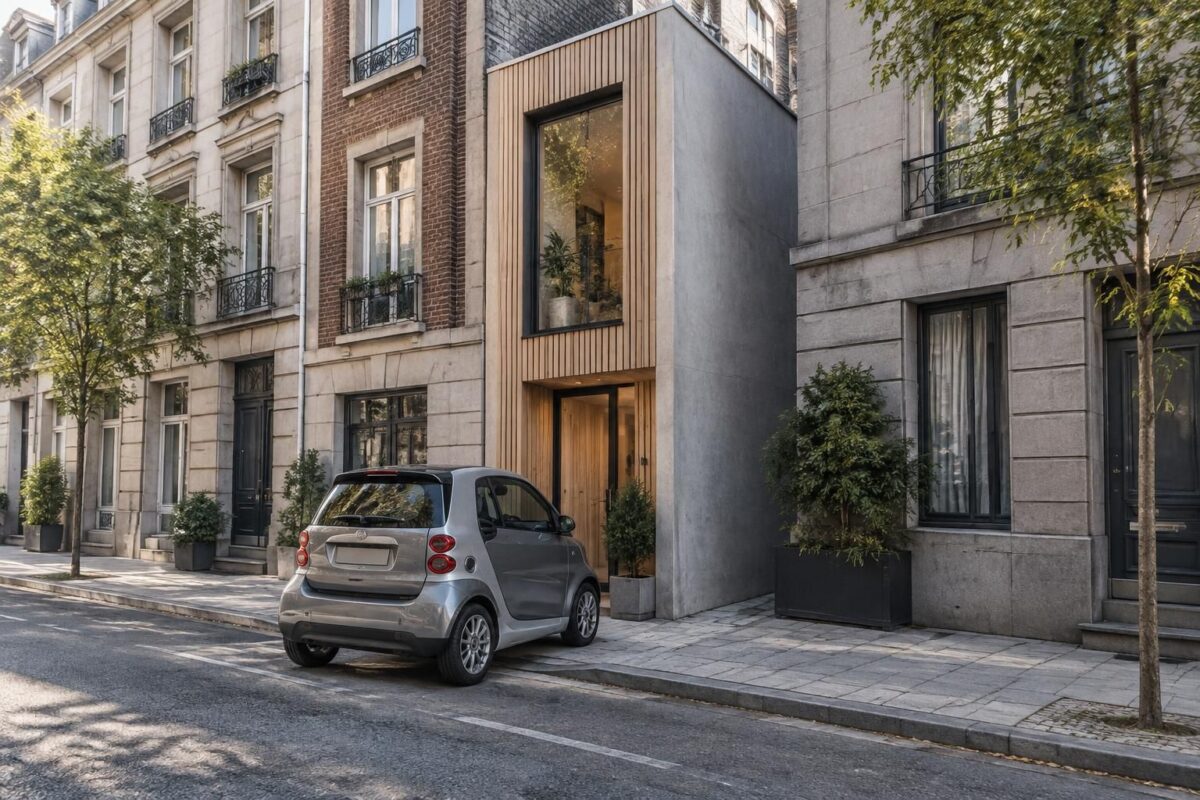
A small modern house meets a need for somewhere to live, but it requires a suitable site and careful design. A parking space may need less management, provided the location remains in demand; to learn more about the constraints of a compact house in the city and the challenges of a narrow urban lot, look into the neighborhood’s rules and how it is used before making a decision.
Compact house and city parking: two projects, two different approaches
A compact house turns every square meter into living space. With built-in storage, straightforward circulation, and multiple floors if regulations allow, a small home can remain functional without giving up contemporary architecture.
Parking follows a different logic: its appeal rests on the scarcity of spaces and ease of access. In an area near a train station or business district, demand may be strong, but difficult parking alone does not guarantee a good return.
| Criterion | Small modern house | Parking space |
|---|---|---|
| Main use | Living in or renting out a home | Renting out a space or diversifying assets |
| Initial budget | Often high, especially when land and renovation work are included | Generally more affordable, depending on the city |
| Ongoing management | Home maintenance, repairs, and landlord obligations | Often limited, but charges and management should be checked |
| Key risk | Cost of renovation work, site constraints, and urban planning rules | Rental vacancies, charges, and changes in urban mobility |
For example, a household looking to live near work may prefer a house if the site makes a realistic project possible. An investor with a more limited budget could look into a space near public transport, without assuming that a quoted return is guaranteed.
Contemporary architecture: make the most of space without compromising usability
In a densely populated urban area, a well-designed layout matters just as much as the floor area. A through-living room, overhead storage, and a functional entrance can make a space feel less cramped; however, optimizing space must remain compatible with natural light, privacy, and the household’s needs.
Parking does not replace this residential use. It can complement a real estate project or serve as a separate investment, but its value depends on access, security, and competition from public spaces or nearby car parks.
Investing in a parking space: returns, charges, and points to watch
A more moderate purchase price and generally simpler management make a parking space accessible to some budgets. Gross returns close to 6.3% are sometimes seen in areas with very high demand, but this figure is neither a national average nor a promise: compare it with actual local rents and costs.
As a guide, market estimates may put Paris at around 4 to 7%, Lyon at 5 to 7%, and Bordeaux or Strasbourg at 5 to 8%. These ranges vary according to the address, purchase price, charges, and type of space; an enclosed garage may cost more, while sometimes being more sought-after.
Calculate the net return before buying
Start by dividing the expected annual rent by the purchase price to calculate the gross return. Then subtract condominium charges, property tax, periods without a tenant, and management fees: this is the figure that allows you to make a useful comparison with other investments.
Also check the condominium bylaws, access hours, security, and usage restrictions. An EV charging station can make a space more appealing, but installing one requires checking approvals, work involved, and costs.
Choosing between urban housing and hard-to-find parking in three steps
- Clarify the project. If you’re looking for a home, first assess whether building the house is feasible, the cost of the work, and urban planning rules. If you’re looking to invest, compare the price of the parking space with rents in the area.
- Check the constraints. Consult the PLU, charges, access arrangements, and condominium documents. For a house, also check parking options and the conditions for developing the plot.
- Decide based on net figures. Draw up an overall budget and a cautious scenario that includes renovation work, vacancy, and fees. If the project remains viable even with weaker demand, you can move forward with greater confidence.
The trap would be to choose based on a gut feeling alone: “impossible parking” may signal demand, but it may also mean a neighborhood where access is difficult or mobility policies are changing quickly. Conversely, a small modern house is appealing because of how it can be used, but its total cost must make sense for the local market.
Tax and rental management: check before signing
Rent from a parking space let on its own is generally treated as property income when no services are provided that would amount to a commercial activity. The micro-property-income tax regime may be available under certain conditions, particularly when the household’s gross property income does not exceed the applicable threshold; the standard tax regime allows certain expenses to be deducted, but the property cannot be depreciated like a business asset.
Compare the rules that apply to your situation with a professional or an up-to-date tax tool. A platform or property manager can make renting out the space easier, but their commission reduces net income: ask for a breakdown of fees and the termination conditions.
Ultimately, a compact house is primarily a housing choice, while a parking space is an asset whose performance depends heavily on its location. In both cases, local research is more valuable than a promised return or an appealing plan on paper.
Can a parking space generate a 6.3% return?
A gross return of this level may be possible in some areas with very high demand, but it depends on the purchase price and local rent. Also calculate the net return after charges, property tax, vacancy, and management.
Is a small modern house suitable for a narrow lot?
Yes, if the PLU, access, natural light, and technical constraints allow it. A compact layout and well-integrated storage can improve comfort, but a feasibility study is essential.
What charges should you check before buying a parking space?
Review condominium charges, property tax, any planned work, management fees, and costs related to access or security. Also check the rules governing use of the space.
Is a parking space always easier to manage than a home?
Ongoing management is often lighter, but it is not without risk. A rental vacancy, high charges, or changes in how people travel around the neighborhood can reduce the appeal of the investment.
Thanks for reading! Feel free to share your observations in the comments. — Lionel