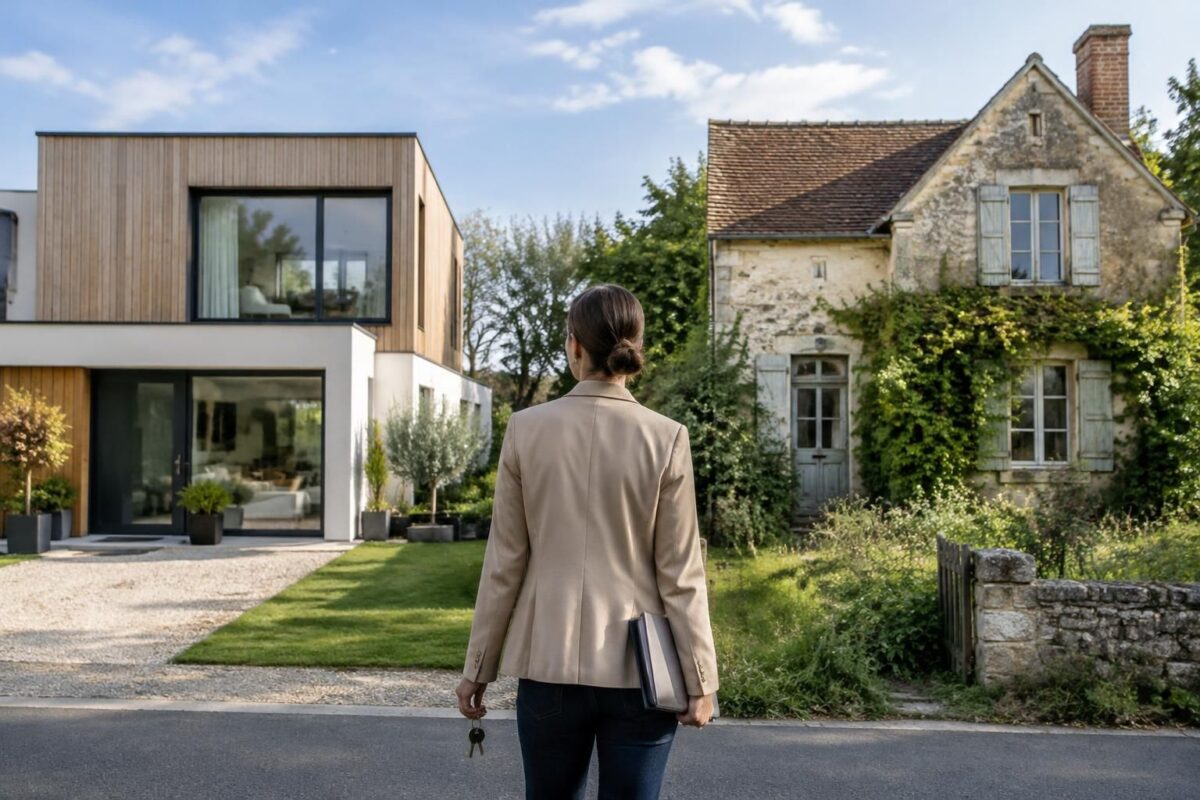
Investment: Prefabricated House or a Real Bargain?
Hello, this is Lionel.
Yes, a prefabricated house can be a good real estate investment, provided you compare the total cost, the land and the resale potential. Factory production often shortens construction times and makes it easier to keep the budget under control, but the advertised price doesn’t tell the whole story. For a real estate investment, profitability also depends on the location, construction quality and intended use. The goal: check the numbers before you sign.
Good practices to follow
- Request a comprehensive quote that includes foundations, transport, installation, utility connections and finishing work.
- Check the local zoning plan and the rules that apply to your building plot before choosing a model.
- Compare at least three offers with equivalent specifications, not just the price per square metre.
- Assess local demand for rentals and resale to estimate the true potential.
- Check the warranties, insulation, materials and expected maintenance costs.
To round out your real estate comparison, you can consult this guide to investing in a prefabricated house and this article on the possibilities and limitations of prefabricated construction.
Prefabricated house or traditional construction: what are you really comparing?
A prefabricated house is assembled from components made in a factory: wall panels, floor sections or modules that sometimes include entire rooms. Site preparation can take place at the same time as manufacturing, shortening the overall schedule and limiting delays caused by bad weather.
Indicative prices vary considerably depending on the material and level of finish. Available price ranges run from around €800 to €2,500/m², excluding land; they do not necessarily include foundations, utility and access works, transport or interior finishing. By comparison, traditional construction is often estimated at around €1,400 to €2,200/m², but only a detailed comparison of specifications will let you make a decision.
| Type of construction | Indicative price per m² | What to consider |
|---|---|---|
| Light modular construction | €800 to €1,200 | Durability and conditions of use |
| Prefabricated timber frame | €900 to €1,600 | Moisture protection and maintenance |
| Prefabricated concrete | €1,100 to €2,000 | Transport and flexibility of the plans |
| Steel modular construction | €1,200 to €2,500 | Access to the site and delivery costs |
| Traditional construction | €1,400 to €2,200 | Construction time and unexpected delays |
These figures are guidelines, not guaranteed prices. For example, a timber model advertised at €1,200/m² could end up costing much more once earthworks, utility connections and finishing work are added.
Time savings don’t guarantee profitability
Factory production reduces exposure to bad weather and allows for more consistent quality control. On-site work may take less time, sometimes by several weeks or months depending on the project, but the schedule still depends on permits, delivery, foundations and site access.
For a rental property, timing can matter: opening sooner can help generate income earlier. But attractive rental returns depend mainly on the total purchase price, occupancy rate, expenses and realistic local rents. A module installed quickly in an area with little demand doesn’t automatically become a good investment.
Hidden costs that can undermine a good real estate investment
The first pitfall is comparing a catalogue price with a traditional construction quote that includes everything. Transport may require a specialised truck or crane; a site with difficult access will increase the bill. Foundations, drainage and utility connections can also add significantly to the cost, especially if the plot is remote.
You also need to look beyond construction costs. A timber-frame house requires particular attention to moisture and exterior finishes; a lightweight unit may have a shorter useful life than a building designed for year-round living. Ask about warranty terms, maintenance recommendations and references for previously completed builds.
A real-life example: Nadia and Karim’s project
Nadia and Karim are considering a 100 m² prefabricated house to rent out. The manufacturer quotes €120,000, but the offer excludes foundations, utility connections, landscaping and some of the finishing work. So they request an all-in cost estimate and compare it with two traditional construction quotes.
Their calculations also factor in actual rents in the area, periods without tenants, insurance and repairs. If the total cost wipes out the initial savings or rental demand is low, it’s better to rethink the project before committing. The right price is the cost of the completed project, not just the module.
Land, local regulations and resale value
A prefabricated house is subject to the planning regulations that apply to construction. The local zoning plan may regulate the siting, height, materials or exterior appearance; some protected areas impose additional restrictions. Before paying any deposit, check feasibility with the local council and confirm which permits are required.
Resale value then depends on the build quality, how securely it is installed, its energy performance and how local buyers perceive it. Quality prefabricated homes are not necessarily temporary, but some markets are more accustomed to traditional houses. The ten-year structural warranty, where applicable to the contract and builder, as well as the technical documentation, can reassure buyers and lenders.
For financing, give the bank the contract, technical specifications, warranties and a budget detailing additional costs. Construction projects carried out under the right conditions may be financed like other new-build projects, while lightweight or unanchored modules may require a specific assessment.
Three steps to check whether the project is profitable
- Calculate the full cost. Add the model price, transport, foundations, utility connections, finishing work, taxes and a contingency fund. Compare quotes based on the same specifications.
- Confirm feasibility. Check the local zoning plan, vehicle access, soil conditions and availability of utility connections. Also confirm the schedule, warranties and insulation specifications with the manufacturer.
- Assess the financial outcome. Estimate rents or resale value based on comparable properties in the area. Factor in maintenance costs and periods without income before deciding whether the return justifies the risk.
Prefabrication can reduce material waste and make production more consistent. However, energy performance depends on the design, installation quality and compliance with applicable requirements, including those related to RE2020 for buildings covered by the regulations.
Frequently asked questions about investing in a prefabricated house
Does a prefabricated house always cost less?
No. The building itself may cost less, but transport, foundations, utility connections and finishing work affect the total cost. Compare complete quotes with equivalent specifications.
Can you rent out a prefabricated house?
Yes, if the building complies with planning regulations, housing requirements and local market conditions. Check rental demand, expenses and maintenance costs before estimating the return.
Is a prefabricated house easy to resell?
It depends on the location, quality, condition and expectations of local buyers. Well-kept warranties, plans and performance documentation can make resale easier.
Is property financing available for this type of house?
It may be, particularly for a permanently installed and well-documented building. The bank assesses the land, contract, warranties and type of module; get approval before committing.
A prefabricated house can therefore be a genuine opportunity if the land is suitable, the total cost is under control and local demand is strong. The choice of manufacturer and the accuracy of the cost estimate matter just as much as the advertised price.
Thanks for reading! Feel free to share your thoughts in the comments. — Lionel